The Quiet Architects of Player Choice: How Backend Economy Algorithms Steer Resource Allocation Patterns in Persistent Multiplayer Worlds
Katja Krause · Oct 8, 2026
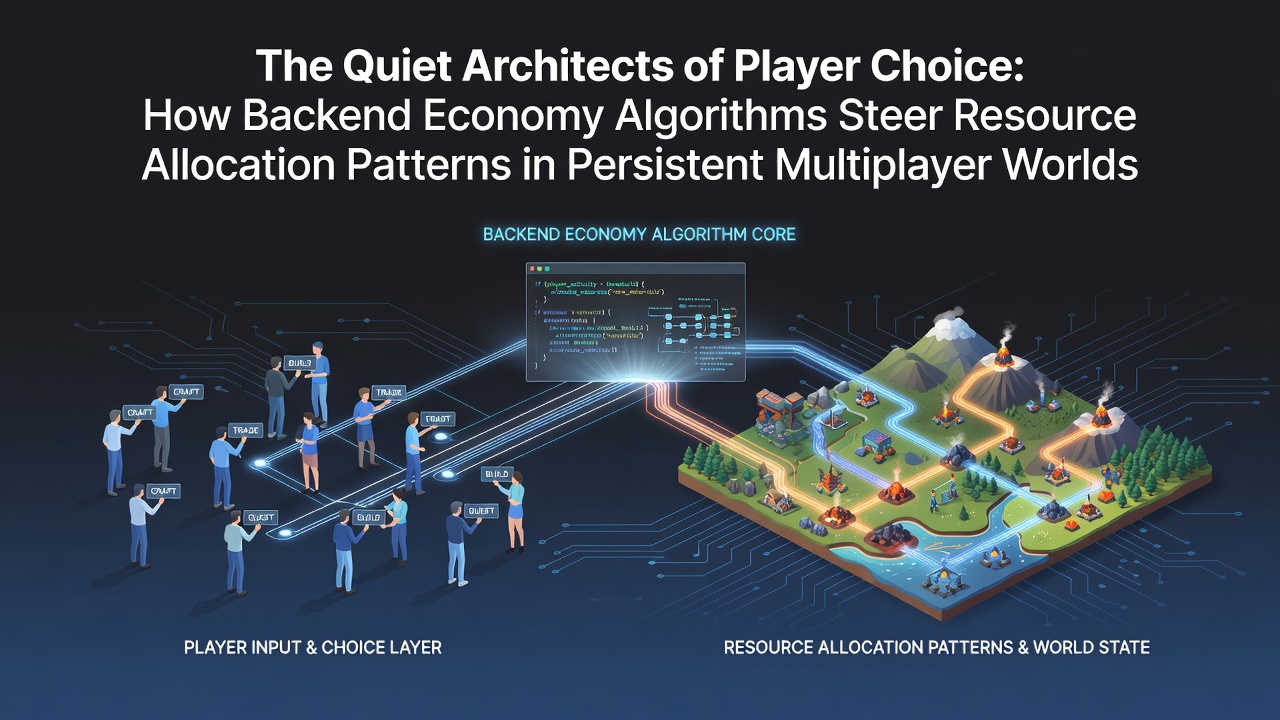
The Quiet Architects of Player Choice: How Backend Economy Algorithms Steer Resource Allocation Patterns in Persistent Multiplayer Worlds
Persistent multiplayer worlds rely on backend economy algorithms that adjust resource availability in real time, and these systems shape how players gather, trade, and spend virtual goods without ever displaying their decision trees. Developers deploy these algorithms to maintain supply and demand balance across thousands of concurrent sessions, and the code monitors transaction volumes, inventory levels, and player activity metrics to trigger automatic recalibrations.
Core Mechanisms Behind Resource Steering
Algorithms track aggregate player behavior across servers and then modify drop rates, vendor prices, and crafting costs through weighted variables that respond to sudden spikes or drops in item circulation. When a particular resource floods the market in one region, the system raises the energy cost for harvesting nodes or lowers the sell price at NPC vendors, and this adjustment propagates to connected shards within minutes. Researchers at institutions studying virtual economies note that such feedback loops prevent hyperinflation while preserving the illusion of player-driven markets.
Dynamic scarcity models further refine allocation by introducing hidden multipliers tied to server population density and time-of-day patterns, so peak-hour servers receive tighter resource caps than off-peak ones. This prevents overcrowding around popular farming spots and encourages players to shift activity windows or migrate to less saturated instances. Data from industry reports compiled by the Entertainment Software Association shows that titles employing these models sustain longer average session lengths because players encounter consistent challenge-reward pacing.
Case Patterns Across Major Titles
Games such as EVE Online and Final Fantasy XIV demonstrate how backend systems quietly redirect player attention toward underutilized resources through gradual price elasticity curves. When a rare material becomes overfarmed, the algorithm increases its appearance in secondary content such as daily quests or event rewards rather than altering the primary drop tables outright, and players who track market trends often discover these shifts through spreadsheet analysis weeks after implementation. Observers note that this layered approach keeps core progression loops intact while redistributing labor across the player base.
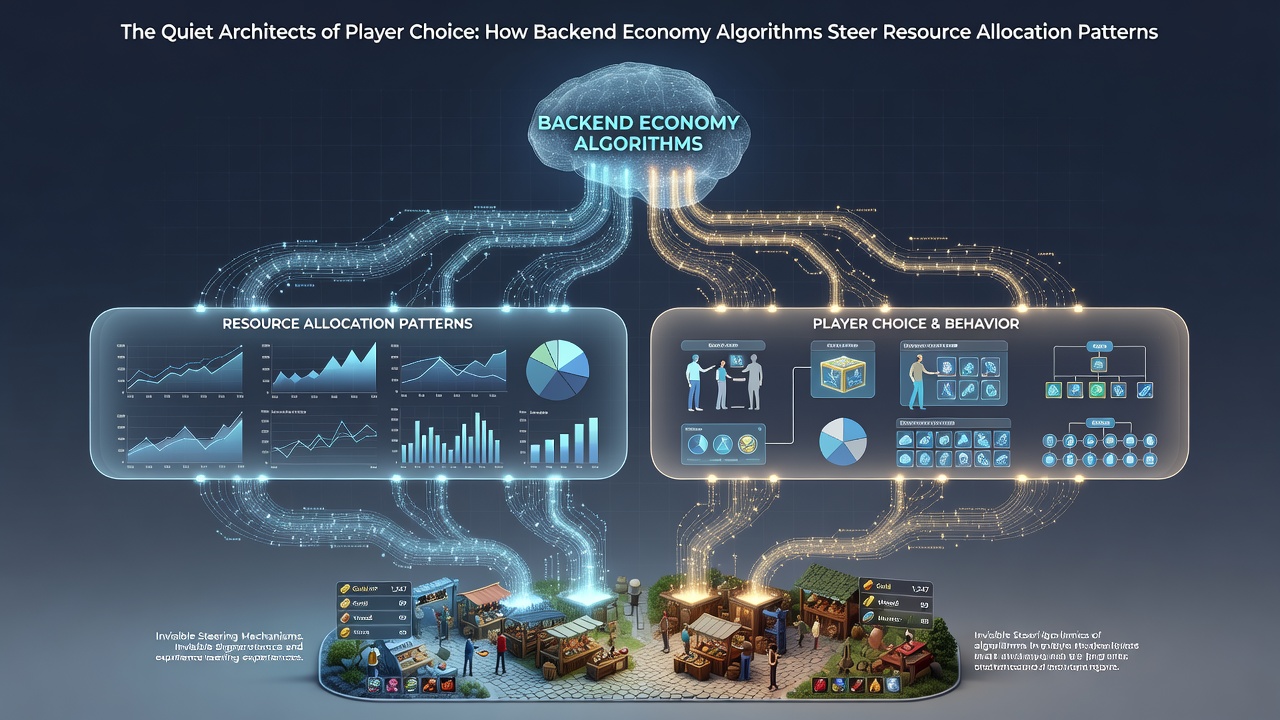
Cross-server auction houses add another layer because matching engines prioritize listings that align with recent regional demand signals, effectively throttling the visibility of oversupplied items. A study published through academic channels at the University of California examined transaction logs from several live-service titles and found that algorithmic suppression of duplicate listings reduced market saturation events by measurable margins during high-traffic periods. Players who maintain multiple characters across regions often adapt their strategies after noticing these invisible filters.
Data Inputs and Adjustment Triggers
Backend systems ingest telemetry that includes login frequency, session duration, group formation rates, and currency velocity, then feed those inputs into predictive models that forecast future scarcity points. When projections indicate an impending shortage of a key crafting component, the algorithm releases additional supply through vendor restocks or world events instead of direct player notifications. This method maintains immersion while steering collective behavior toward the intended equilibrium.
Seasonal updates in October 2026 introduced refined weighting for weather-linked resources in several open-world titles, allowing algorithms to correlate environmental simulation data with harvesting success rates. The changes produced measurable redistribution of player activity across biomes without requiring manual patch notes on economy tweaks. Industry analysts tracking retention metrics report that these subtle recalibrations correlate with steadier daily active user numbers across affected platforms.
Player Adaptation and Long-Term Effects
Communities develop external tools and shared databases to reverse-engineer the hidden variables, and these efforts in turn influence how developers tune detection thresholds for coordinated market manipulation. When player groups attempt to exploit predictable patterns, the algorithms incorporate variance layers that randomize certain thresholds within defined bands, and this cat-and-mouse dynamic keeps both sides evolving their approaches. Evidence from longitudinal server logs indicates that worlds with active player monitoring communities experience fewer extreme price collapses than isolated instances.
Resource allocation patterns ultimately feed into broader progression systems because experience gains, reputation thresholds, and gear upgrades often depend on the same underlying item flows. Developers therefore calibrate economy algorithms alongside combat and social metrics to avoid unintended bottlenecks in character advancement paths. Those who study these interconnected systems observe that isolated changes to one subsystem frequently produce ripple effects across seemingly unrelated gameplay loops.
Conclusion
Backend economy algorithms continue to operate as unseen governors of player choice in persistent worlds, and their influence extends from individual inventory decisions to server-wide behavioral trends. As data collection grows more granular and predictive models improve, the distance between intended design outcomes and emergent player strategies narrows further, creating environments where resource allocation remains both responsive and largely invisible to participants.