Sensory Feedback Algorithms: Mapping Controller Vibration Patterns to Player Choice Patterns in Strategy Simulations
Eden Lange · Nov 5, 2026
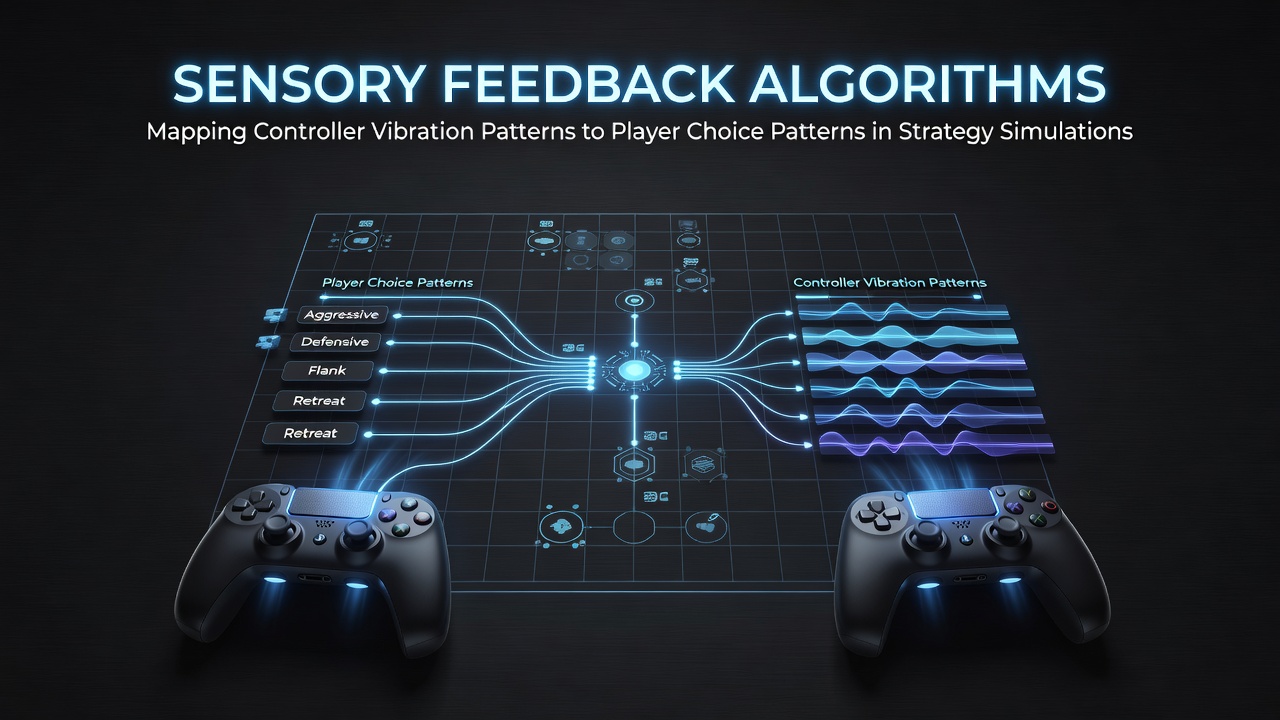
Sensory Feedback Algorithms: Mapping Controller Vibration Patterns to Player Choice Patterns in Strategy Simulations
Strategy simulations have incorporated sensory feedback algorithms that translate player decisions into controller vibration sequences, creating a direct link between choice architecture and haptic output across platforms like PS5, Xbox Series X, and PC controllers. These systems analyze decision trees in real time, then adjust motor patterns to reflect resource allocation, unit positioning, and branching outcomes without relying on visual or audio cues alone.
Algorithm Design and Data Mapping Processes
Developers build these algorithms around machine learning models that track sequences of player inputs during campaign turns or battle phases, then correlate those sequences with predefined vibration intensities and rhythms. Data from thousands of play sessions feeds into the mapping process, where variables such as risk level in troop deployment or economic trade-offs trigger specific pulse frequencies on dual-motor controllers. Researchers at institutions studying human-computer interaction have documented how decision entropy metrics influence the amplitude settings, allowing the system to scale feedback from subtle rumbles during routine scouting to sharper pulses when players commit to high-stakes invasions.
Engineers integrate these mappings into the simulation's core loop so that each major choice registers within milliseconds, maintaining synchronization with on-screen events. In titles released through 2026, the algorithms also account for controller type variations, adjusting output curves for adaptive triggers on newer hardware while preserving compatibility with standard rumble motors on older devices.
Platform Implementation Across Consoles and PC
Console manufacturers have standardized APIs that expose low-level motor control to game developers, enabling precise pattern delivery in strategy titles. On Xbox Series X and PS5, the algorithms leverage these APIs to layer multiple vibration channels, producing compound sensations that distinguish between different categories of strategic errors versus successful maneuvers. PC implementations often route through software layers that support a wider range of third-party controllers, though calibration remains necessary to match console-level consistency.
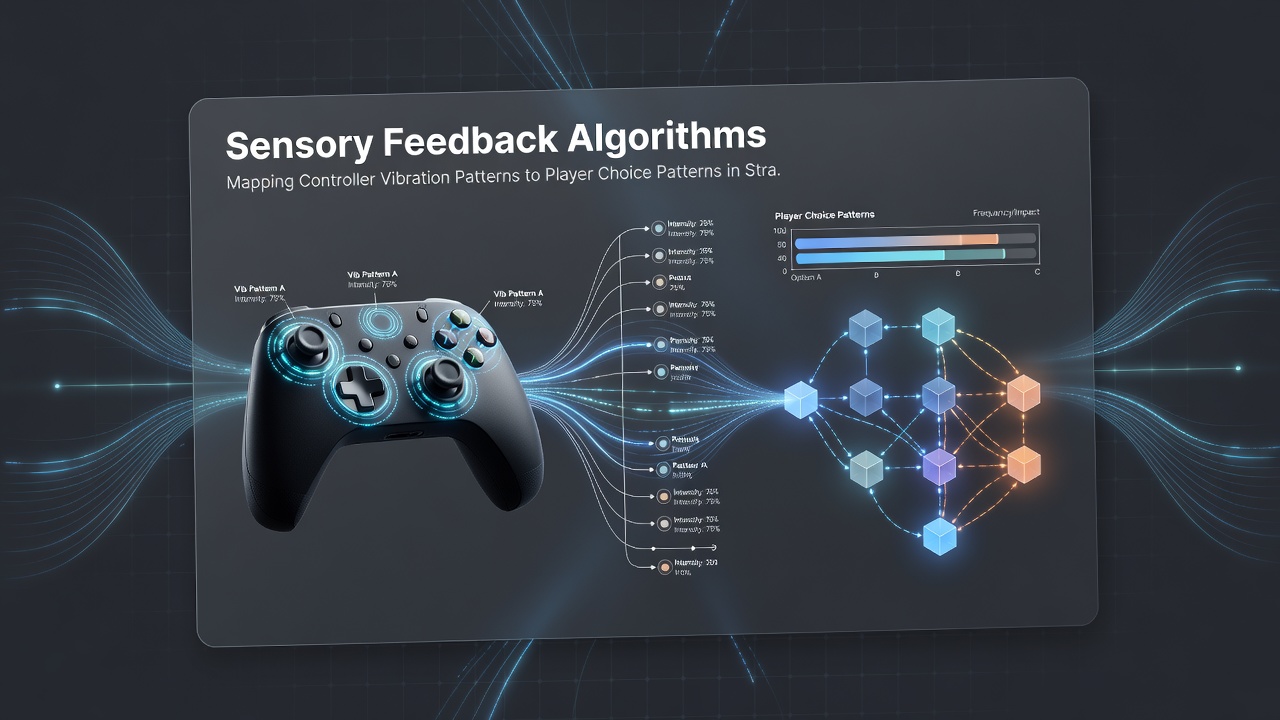
Cross-platform titles scheduled for updates in November 2026 incorporate unified mapping profiles that normalize vibration data across ecosystems, reducing discrepancies reported by players who switch between devices mid-campaign. Industry reports from the Entertainment Software Association highlight how these standardized profiles have contributed to measurable improvements in session retention data for simulation genres.
Player Behavior Analysis and Pattern Recognition
Pattern recognition modules examine sequences of choices such as expansion timing, alliance formation, and technology prioritization to build profiles that the feedback system references during subsequent turns. When a player consistently favors aggressive expansion, the algorithm increases baseline vibration strength during planning phases to signal potential overextension risks, while conservative play styles receive gentler, more spaced-out pulses that reinforce steady-state decisions. Studies from academic groups tracking interaction logs show that these adjustments occur without altering core game balance, functioning instead as an additional information channel.
Multiplayer strategy simulations apply similar logic in asynchronous modes, where vibration cues delivered to one participant reflect aggregated choice patterns from opponents or allies. This approach maintains information parity across devices while adding a tactile dimension to diplomatic negotiations and shared resource pools.
Technical Challenges and Refinement Cycles
Latency management remains central to successful deployment, with teams optimizing the pipeline between decision evaluation and motor activation to stay below perceptible thresholds. Battery drain on wireless controllers has prompted iterative adjustments to duty cycles, particularly in extended strategy sessions that span multiple hours. Developers address these constraints by prioritizing high-impact choice moments for stronger feedback while using minimal pulses for background state monitoring.
Testing protocols now include dedicated haptic calibration sessions where participants complete standardized decision scenarios, allowing engineers to refine mapping tables based on aggregated response data. European research consortia have contributed comparative analyses of vibration tolerance across different controller form factors, informing region-specific tuning options.
Conclusion
Sensory feedback algorithms continue to evolve through ongoing integration of choice-pattern data with controller hardware capabilities, establishing a measurable connection between strategic decision frameworks and tactile output in simulation environments. Continued refinement through platform updates and cross-device profiling supports consistent delivery of these mappings as strategy titles expand their feature sets into late 2026 and beyond.